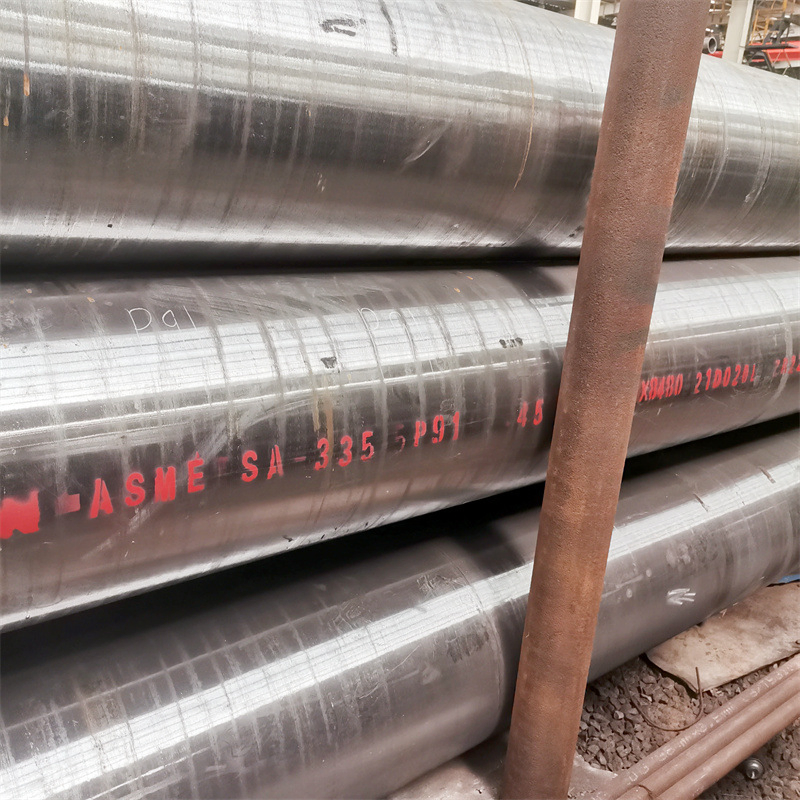
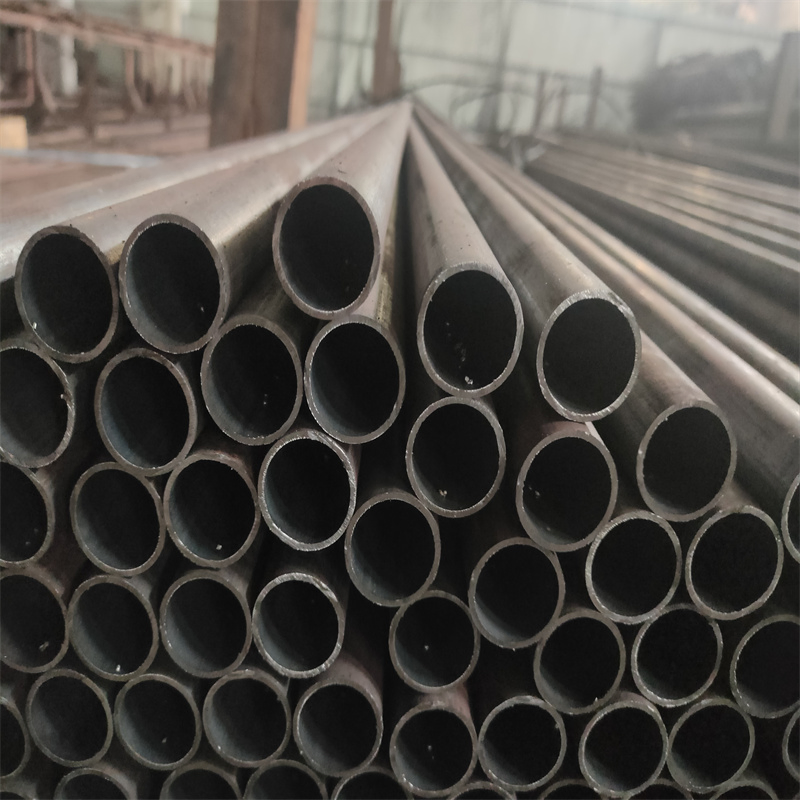
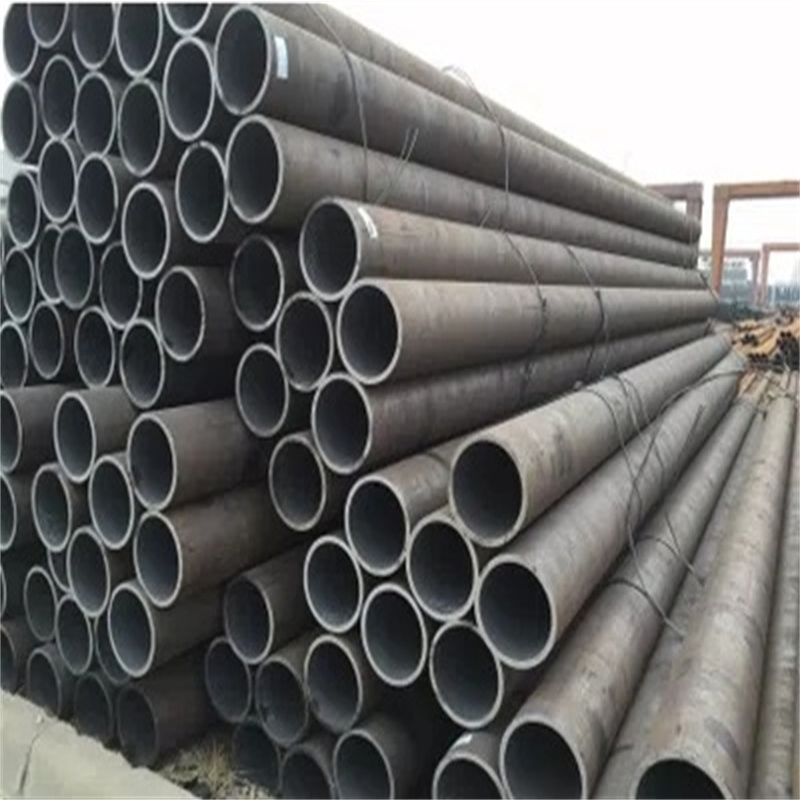
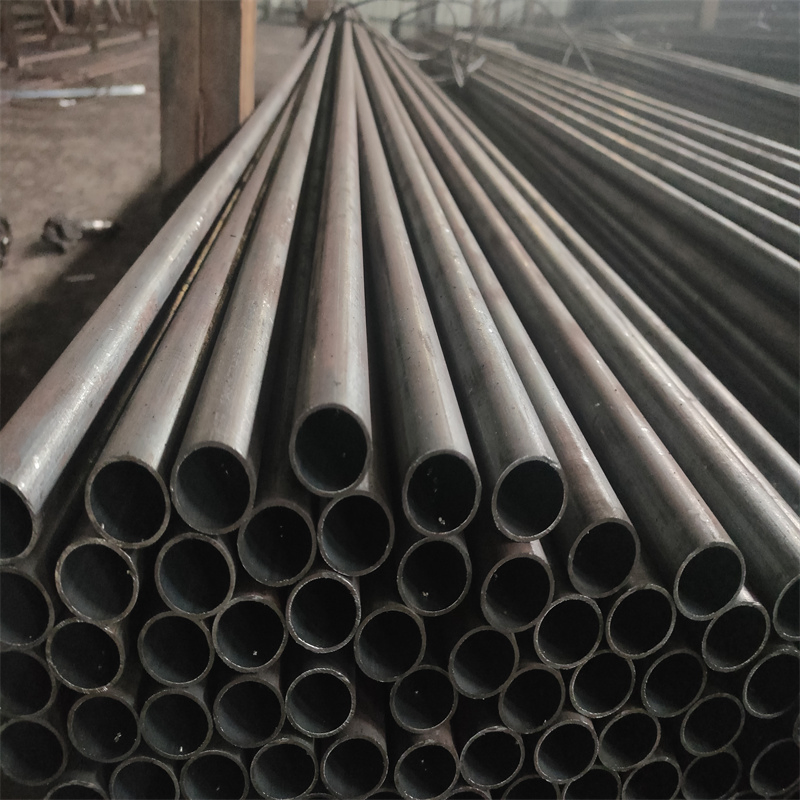
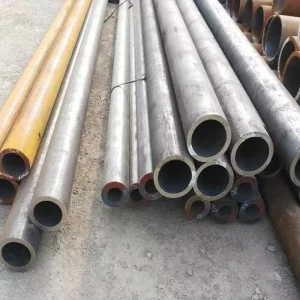
ASTM A335 Grade P91 Overview
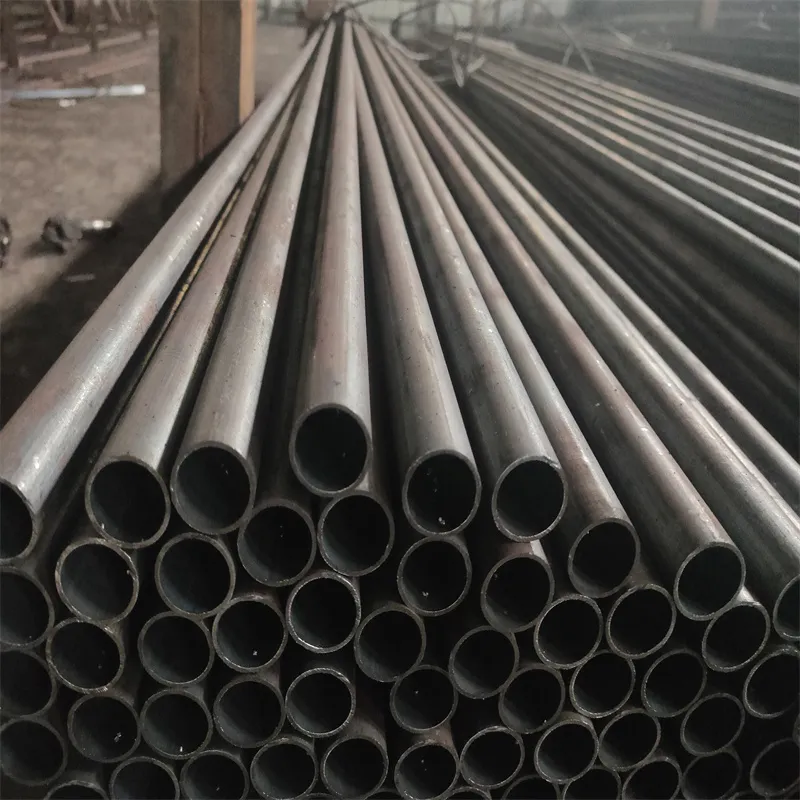
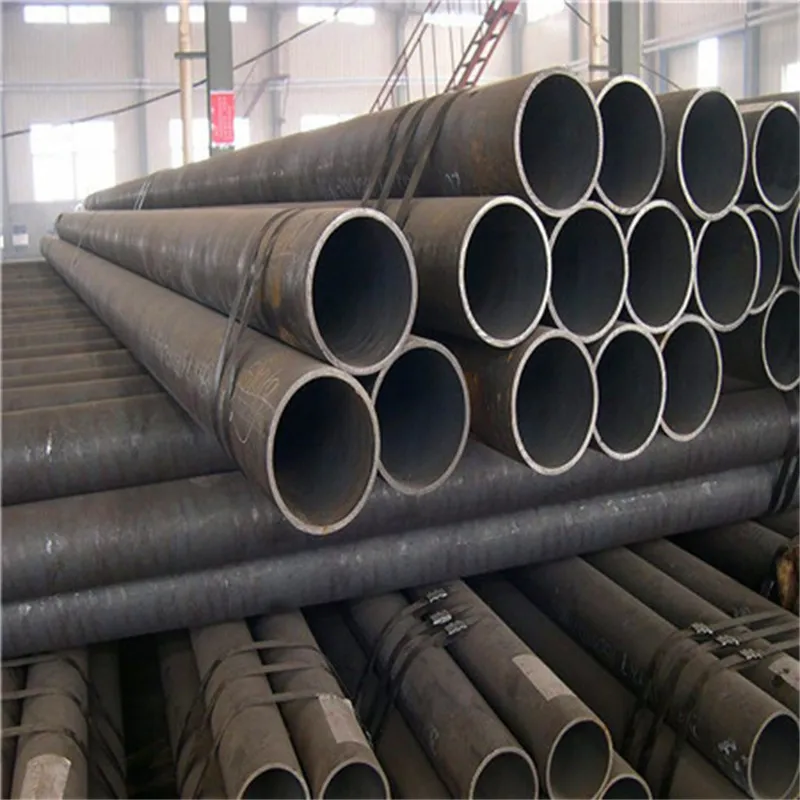
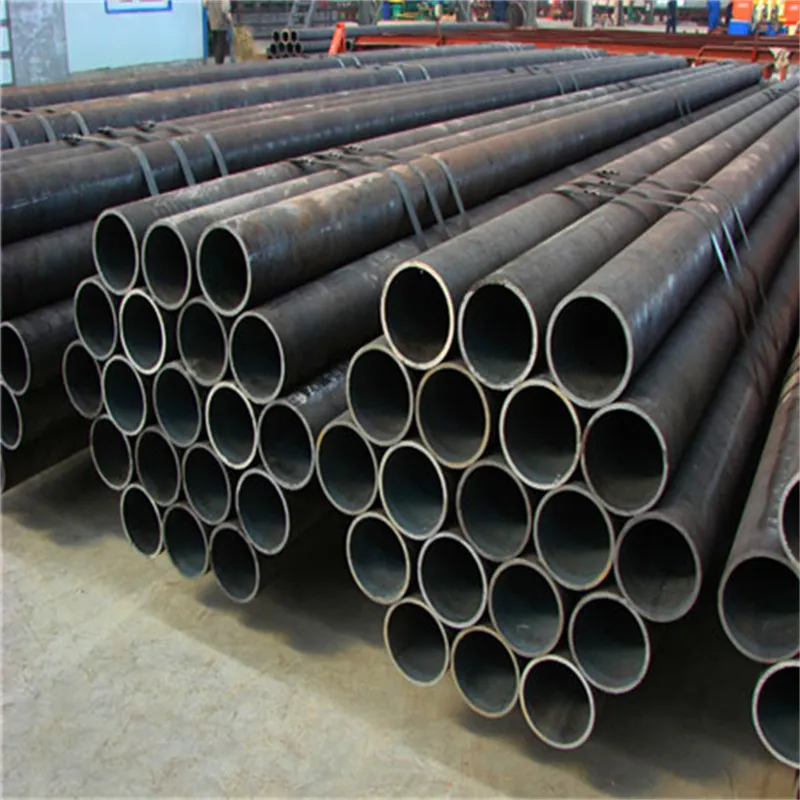
ASTM A335 is a standard specification for seamless ferritic alloy-steel pipe for high-temperature service. The specification generally covers chrome-moly seamless pipes with remarkable resistance to corrosion and good tensile strength at high-temperature service.
P91 is a chrome moly alloy metal that contains excellent strength and temperature resistance. It is designed for enhanced creep strength, making it a creep strength enhanced ferritic (CSEF). This metal is made by normalizing at 1050 °C, air cooling to 200 °C, and then tempered through heating to 760 °C.
Applications & Usage
A335/SA335 P91 is suitable for bending, flanging, and similar forming operations and for fusion welding. It is most commonly used in the power industry and petrochemical plants where fluids and gases are transported at extremely high temperatures and pressures.
- Power generation & Combined cycle plants
- Petrochemical and Gas processing
- HRSG (Heat Recovery Steam Generators)
- High-temperature Heaters
- Oilfield services
Quality Testing & Inspection
ASTM A335 Gr.P91 pipes undergo rigorous testing to ensure performance under extreme conditions:
- Hardness Test: Minimum hardness of 250 HB / 265 HV (25 HRC).
- Hydrostatic Testing: Each length is subjected to high-pressure water testing.
- NDT (Non-Destructive Test): Includes Ultrasonic Examination, Eddy Current, and Flux Leakage Examination.
- Mechanical Tests: Transverse/longitudinal tension, flattening, and bend tests.
Frequently Asked Questions
What makes P91 steel suitable for high-temperature service?
P91 is a Creep Strength Enhanced Ferritic (CSEF) alloy. Its specific composition of chromium and molybdenum provides superior creep strength and corrosion resistance at temperatures up to 600°C.
What are the main industrial applications for ASTM A335 P91 pipes?
It is primarily used in power generation plants (especially combined cycle plants), petrochemical facilities, and gas processing units where high pressure and heat are constant.
What is the hardness requirement for Grade P91?
According to the standard, ASTM A335 Gr.P91 must maintain a hardness level of 250 HB / 265 HV, which is approximately 25 HRC.
How are these pipes protected during sea freight?
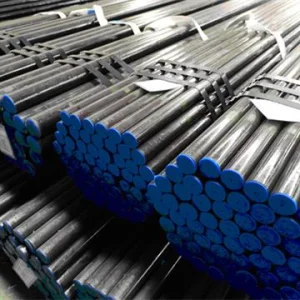
Pipes are often coated, capped at the ends, and smaller diameters are bundled and wrapped in polypropylene sheets with steel bands to prevent salt-water corrosion.
What non-destructive tests are performed?
Standard NDT includes Ultrasonic Examination for longitudinal and transverse discontinuities, Eddy Current testing, and Flux Leakage Examination.
Does P91 require special heat treatment?
Yes, it must undergo normalizing (usually between 1040-1080°C) followed by subcritical annealing or tempering (730-800°C) to achieve its mechanical properties.
 Ramparts BuildCore