China Top 10 Differences Between Hot Rolled and Cold Rolled Steel?

Time:2026-05-19 Author:Liam
0%

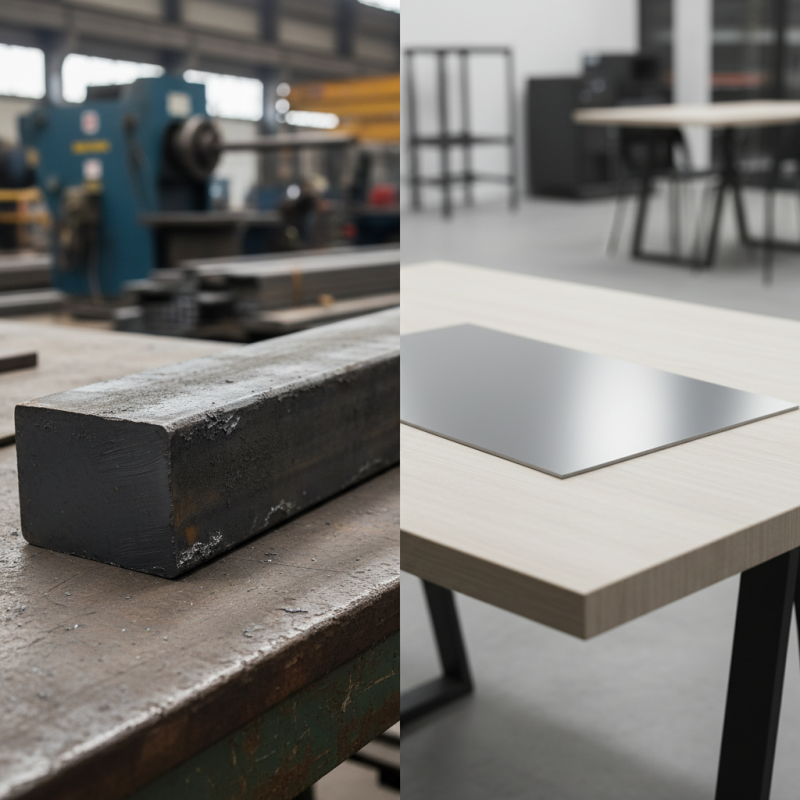
When considering construction materials, one question often arises: what is the difference between hot rolled and cold rolled steel? Understanding these differences is crucial for choosing the right steel for specific applications. Hot rolled steel is made by heating steel above its recrystallization temperature. This process allows it to be easily shaped and formed. Conversely, cold rolled steel undergoes further processing at room temperature. This results in a smoother finish and tighter tolerances.

The properties of both types of steel vary significantly, impacting their applications. Hot rolled steel tends to be less expensive and is generally used for large structures and projects. Cold rolled steel, however, offers more precision and is often used in household appliances and furniture. While both have their advantages, challenges also exist in choosing between them, such as availability and cost considerations. Recognizing these nuances can heighten efficiency in manufacturing and construction.
China Top 10 Differences Between Hot Rolled and Cold Rolled Steel?

Difference in Manufacturing Processes of Hot Rolled and Cold Rolled Steel

Hot rolled and cold rolled steel undergo different manufacturing processes, leading to unique characteristics. Hot rolling is performed at high temperatures. This method allows the steel to easily change shape. As it is heated above its recrystallization temperature, it becomes malleable. The outcome is a rougher surface. It also retains a slightly lower tensile strength.

In contrast, cold rolling takes place at room temperature. The steel is further processed after hot rolling. This process enhances its surface finish and dimensional accuracy. Cold rolled steel is stronger and has a tighter tolerance. The final product is smoother, making it desirable for various applications. However, it may be more brittle compared to hot rolled steel.

Each method has its own merits and drawbacks. The choice between hot rolled and cold rolled steel depends on the application. For structural purposes, hot rolled steel might be ideal. Cold rolled steel is suitable for applications requiring precision. Understanding these differences is essential for making informed decisions in manufacturing.

Comparison of Hot Rolled and Cold Rolled Steel Properties

Key Characteristics of Hot Rolled Steel Compared to Cold Rolled Steel

Hot rolled and cold rolled steel are two distinct types of steel processing. Hot rolled steel involves rolling at high temperatures, typically above 1,700°F. This method changes the material’s shape and makes it easier to work with. The end result is often less precise, but the steel tends to be stronger.

Cold rolled steel, on the other hand, is processed at room temperature. This enhances dimensional accuracy and provides a smoother finish. The production methods dictate their applications. Cold rolled sheets are ideal for construction, automotive, and general industrial use.

While hot rolled steel offers strength, it may lack the fine surface finish of cold rolled steel. Additionally, hot rolled products can warp or distort when cooled. Cold rolled options, while more expensive, provide greater strength and better surface quality. Despite the higher costs, industries often prefer cold rolled steel due to its versatility. Each type has its advantages and applications, and understanding these differences is crucial for making informed decisions.

Applications and Uses: Hot Rolled vs. Cold Rolled Steel

Hot rolled and cold rolled steel serve distinct purposes in various industries. Hot rolled steel is typically used for structural applications. It is formed at high temperatures, making it easier to shape. This process leads to a rough surface finish but allows for larger dimensions. Common uses include construction beams and automotive components.

Cold rolled steel, on the other hand, is processed at room temperature. This leads to tighter tolerances and a smoother surface finish. It is ideal for manufacturing precise parts, such as nuts, bolts, and other small components. The cold rolling process also enhances strength. However, it can be more expensive due to added processing steps.

Both types of steel have their advantages and disadvantages. Hot rolled steel may warp or have inconsistencies in thickness. Cold rolled steel, while more precise, can be less ductile. Understanding these characteristics helps manufacturers choose the right type for their needs. Choices should be made based on end-use applications, project specifications, and cost considerations.

Cost Implications: Pricing Differences in Hot Rolled and Cold Rolled Steel

Hot rolled and cold rolled steel differ significantly in pricing. Generally, hot rolled steel is more affordable due to its manufacturing process. It is produced at high temperatures, requiring less energy and time. This makes it a popular choice in construction and manufacturing sectors where cost efficiency is vital.

On the other hand, cold rolled steel involves additional processing. It is cooled at room temperature after hot rolling, which enhances its strength and precision. This extra step leads to higher costs. Users often appreciate the tighter tolerances and better surface finishes, but they pay a premium for these characteristics. Still, it's crucial to weigh performance against budget when selecting materials.

In practice, the cost implications can be profound. Hot rolled steel may suffice for structural applications. Cold rolled steel, however, might be necessary for specialized uses, which require higher quality and specific specifications. The challenge lies in understanding your needs and making informed decisions. Balancing cost with quality is not always straightforward.

China Top 10 Differences Between Hot Rolled and Cold Rolled Steel

Difference Hot Rolled Steel Cold Rolled Steel
Production Process Rolled at high temperatures Rolled at room temperature
Surface Finish Rough and scaly Smooth and shiny
Thickness Tolerance Less precise More precise
Cost Generally lower Generally higher
Applications Construction, structural applications Automotive, precision instruments
Strength Lower strength Higher strength
Shape More versatile shapes More limited shapes
Mechanical Properties Ductile and malleable Less ductile, more consistent specifications
Workability Easier to work with Requires more effort
Heat Treatment Not very effective Better for heat treatment

Quality and Mechanical Properties of Hot Rolled and Cold Rolled Steel

When comparing hot rolled and cold rolled steel, their quality and mechanical properties show significant differences. Hot rolled steel is produced at high temperatures, which allows for easier shaping. This process often results in a rough surface finish. The material is more ductile and can handle heavy loads. However, due to the elevated temperatures, some control over the final dimensions can be lost.

In contrast, cold rolled steel undergoes processing at room temperature. This method enhances its surface finish and dimensional accuracy. Cold rolled steel typically exhibits higher tensile strength and yield strength. Additionally, it has a lower ductility compared to its hot rolled counterpart. This makes it ideal for applications requiring precise measurements and smoother surfaces.

Tips: When choosing between hot rolled and cold rolled steel, consider the application. For structural purposes, hot rolled may be sufficient. If precision is key, opt for cold rolled options. Always assess the intended use to ensure the right type is selected. Quality control is vital. Inspect the final product closely for potential flaws.

FAQS

: What is the main difference between hot rolled and cold rolled steel?

: Hot rolled steel is shaped at high temperatures, while cold rolled steel is processed at room temperature.

Why is hot rolled steel easier to shape?

It is heated above its recrystallization temperature, making it malleable and flexible during shaping.

What is a significant drawback of hot rolled steel?

It often has a rough surface finish and lower tensile strength compared to cold rolled steel.

What benefits does cold rolled steel offer?

Cold rolled steel has a smoother surface, tighter tolerances, and enhanced strength, making it ideal for precise applications.

What are common applications for hot rolled steel?

Hot rolled steel is used in construction beams and automotive components due to its ability to form larger dimensions.

Can cold rolled steel be more expensive to produce?

Yes, cold rolled steel has additional processing steps, which can increase its cost compared to hot rolled steel.

Is cold rolled steel always better than hot rolled steel?

Not necessarily; cold rolled steel can be more brittle and less ductile, which may not suit all applications.

How should manufacturers choose between hot rolled and cold rolled steel?

They should consider the end-use applications, project specifications, and cost when making their decision.

What happens if hot rolled steel is used for precise parts?

It may not meet the needed precision and can warp or have inconsistencies, affecting overall performance.

Conclusion

When exploring what is the difference between hot rolled and cold rolled steel, it is essential to understand the distinctive manufacturing processes of both types. Hot rolled steel is produced at high temperatures, which makes it easier to shape and form, while cold rolled steel undergoes further processing at room temperature, resulting in enhanced precision and surface finish. These differences in manufacturing lead to key characteristics where hot rolled steel is typically thicker and less expensive, while cold rolled steel boasts higher strength and improved appearance.

The applications for these materials vary significantly as well, with hot rolled steel often used in construction and heavy machinery, where strength is paramount, and cold rolled steel used in applications requiring a finer finish, such as in automotive and appliance manufacturing. Cost implications also play a role, with cold rolled steel usually priced higher due to the additional processing it requires. Ultimately, understanding these differences is crucial for selecting the right type of steel for specific applications and projects.

Liam

Liam

Liam is a dedicated marketing professional with a profound expertise in the industry, where he excels at highlighting the unique advantages of our core products. With a keen understanding of market trends and consumer needs, Liam frequently updates our company’s professional blog, providing......