Galvanized steel is increasingly favored for outdoor applications due to its exceptional resistance to corrosion. According to a report by the American Galvanizers Association (AGA), galvanized steel can last over 50 years in harsh environments. This longevity makes it a smart choice for construction, fencing, and outdoor furniture.
Richard B. Smith, a leading expert in materials engineering, states, "The protective zinc coating gives galvanized steel a unique advantage in outdoor settings." This protective layer not only extends the life of the steel but also reduces maintenance costs significantly. Industries rely on it for its durability, highlighting why galvanized steel is used for outdoor applications.
The appeal of galvanized steel also lies in its environmental benefits. The process of galvanizing steel is sustainable, as it often uses recycled materials. However, there are misconceptions. Some may question its aesthetics or initial costs. While these aspects warrant discussion, the benefits overwhelmingly justify its use. Exploring why galvanized steel is popular outdoors reveals solutions that address both performance and sustainability.
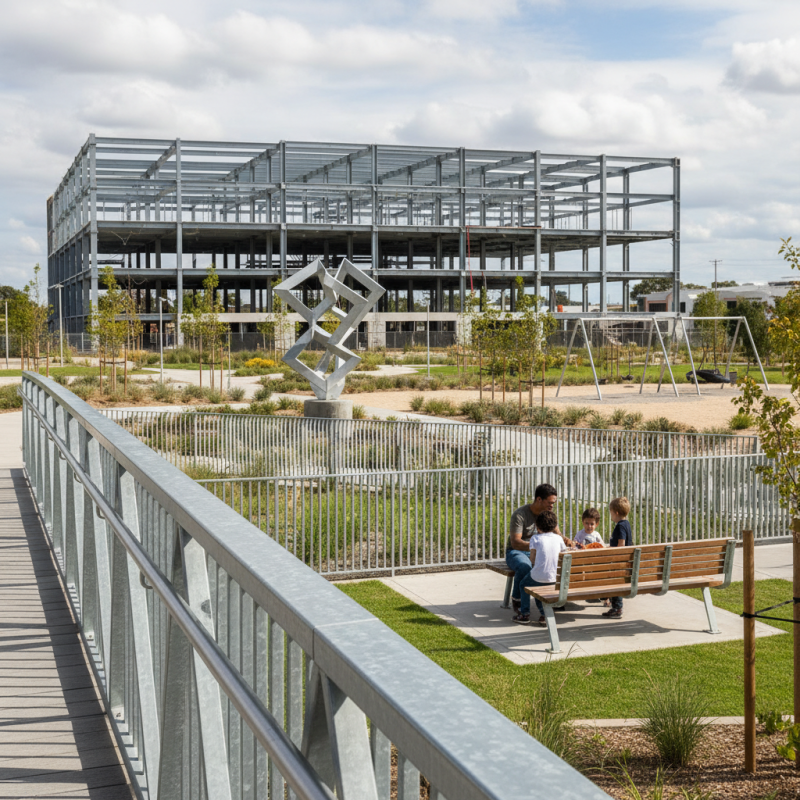
Overview of Galvanized Steel and Its Composition
Galvanized steel is a type of steel that has been coated with a layer of zinc. This process protects the steel from corrosion, which is a major concern for outdoor applications. The zinc coating acts as a barrier, preventing moisture from reaching the steel underneath. Over time, however, even galvanized steel can rust if the zinc layer is damaged.
The composition of galvanized steel is quite simple yet effective. It is primarily made of iron and carbon, elements that give steel its strength. The addition of zinc introduces a layer that significantly enhances its durability. This unique combination makes it suitable for various outdoor structures, such as fences, railings, and roofing. However, it’s essential to regularly inspect galvanized steel for any signs of wear or damage, as prolonged exposure to harsh environments can affect its longevity.
Using galvanized steel outdoors offers many advantages, but it is not perfect. One key issue is that the zinc coating can wear away over time. Once the coating is compromised, the steel can corrode. Environmental factors, such as humidity and salinity, can accelerate this process. Proper maintenance, including periodic checks, is critical to ensure the steel remains effective in its protective role. Awareness of these factors can help in making informed decisions about its use in outdoor projects.
Benefits of Galvanized Steel for Outdoor Applications
Galvanized steel is a popular choice for outdoor applications due to its unique properties. The process of galvanization involves coating steel with zinc. This creates a barrier that protects against rust and corrosion. It is particularly important for structures exposed to harsh weather conditions. When you use galvanized steel, you can expect it to last much longer than non-coated alternatives.
Another significant benefit of galvanized steel is its low maintenance requirement. Once installed, galvanized materials need minimal upkeep. This saves time and money in the long run. Additionally, the aesthetic appeal of galvanized steel is noteworthy. Its shiny finish can enhance the visual quality of outdoor structures and products.
However, not all galvanized steel is created equal. Variations in the galvanization process can affect its longevity and durability. Understanding these differences is crucial for making informed decisions. Some areas may require further treatment or coatings to maintain optimal performance. In the end, while galvanized steel is a reliable option, careful consideration of its selection and usage is essential for outdoor projects.
Benefits of Galvanized Steel for Outdoor Applications
Resistance to Corrosion and Weathering in Outdoor Environments
Galvanized steel stands out for outdoor use, mainly due to its remarkable resistance to corrosion and weathering. According to the American Galvanizers Association, galvanized steel can last over 50 years in most environments. This longevity is largely because of the zinc coating, which acts as a barrier against moisture and contaminants. Outdoor environments often expose materials to harsh conditions, including rain, snow, and UV radiation. Galvanized steel effectively protects against these elements, maintaining structural integrity over time.
Moreover, various studies have demonstrated that hot-dipped galvanized steel shows excellent performance, especially in coastal and industrial areas. The corrosion rate in these harsh environments is dramatically lower compared to uncoated steel. However, while galvanized steel is robust, it is not invincible. Certain acids or extreme conditions can still lead to degradation. Therefore, regular inspections are recommended to identify early signs of wear. Understanding the limits of galvanized steel helps in making informed decisions about its applications in outdoor settings.
Why is Galvanized Steel Ideal for Outdoor Use? - Resistance to Corrosion and Weathering in Outdoor Environments
| Property |
Galvanized Steel |
Stainless Steel |
Regular Steel |
| Corrosion Resistance |
Excellent |
High |
Low |
| Weather Resistance |
Very Good |
Excellent |
Poor |
| Cost-Effectiveness |
Moderate |
High |
Low |
| Maintenance |
Low |
Low |
High |
| Lifespan |
20-30 years |
30+ years |
5-10 years |
Common Uses of Galvanized Steel in Construction and Landscaping
Galvanized steel is widely used in construction and landscaping due to its exceptional durability. It's coated with zinc, providing a robust defense against corrosion. According to the American Galvanizers Association, galvanized steel can last over 50 years in outdoor environments. This longevity is crucial for structures exposed to harsh weather conditions.
In construction, galvanized steel beams and columns are common. They support roofs, bridges, and outdoor structures, enduring heavy loads while resisting rust. Moreover, galvanized steel fittings and fasteners are often used in landscaping. They hold together garden structures, fences, and outdoor furniture securely. This material can withstand moisture and rain, maintaining its integrity over time. Statistics show that corrosion causes up to 50% of all steel failures. Using galvanized steel minimizes this risk significantly.
However, it’s crucial to note that while galvanized steel is robust, it is not entirely maintenance-free. With exposure to specific environmental conditions, the coating can degrade. Regular inspections are necessary to ensure the material remains effective. Overall, the benefits of galvanized steel in outdoor applications make it a leading choice, despite the need for ongoing assessment.
Maintenance and Longevity of Galvanized Steel Products
Galvanized steel is a go-to choice for outdoor applications due to its resilience and low maintenance needs. The hot-dip galvanizing process involves coating the steel with a layer of zinc, providing impressive protection against rust. This method greatly extends the lifespan of steel products, making them suitable for harsh weather conditions.
Maintenance is minimal. Regular visual inspections can help identify any scratches or chips in the coating. Addressing these promptly aids in preventing the onset of corrosion. If damage occurs, even a small touch-up can restore protective qualities. Despite its durability, over time, the galvanized layer may wear down, requiring some attention. Knowing when to recoat or repair ensures that your galvanized steel remains functional and visually appealing.
Galvanized steel is not entirely impervious. Extreme environmental conditions can create challenges. For instance, exposure to saltwater can accelerate corrosion if not monitored. It’s beneficial to stay informed about the materials in use and their interaction with the environment. Continuous learning about maintenance practices can enhance the longevity of galvanized steel products.
Conclusion
Galvanized steel is a highly favored material for outdoor applications due to its unique composition, which involves coating steel with a layer of zinc to enhance its resistance to corrosion and weathering. This makes galvanized steel particularly suitable for various outdoor environments, where exposure to harsh elements can lead to significant wear and tear on unprotected metals. The durability and longevity of galvanized steel products mean they require minimal maintenance, making them cost-effective over time.
Common uses of galvanized steel in construction and landscaping include fencing, roofing, and garden structures, all of which benefit from its ability to withstand the rigors of outdoor exposure. Overall, understanding why galvanized steel is used for outdoor applications can help in selecting the right materials for projects that demand resilience and longevity in challenging environments.

 Ramparts BuildCore