Choosing the best coating for metal durability begins with understanding the metal’s environment, not simply comparing product labels. Steel exposed to salt spray needs different protection from indoor machinery facing oil, heat, or repeated abrasion. Moisture, temperature changes, chemical contact, surface preparation, and maintenance access all influence coating performance.
The practical question is: what coatings improve metal durability under real operating conditions? Epoxy systems often provide strong adhesion and chemical resistance, while polyurethane topcoats can improve color retention and weathering performance. Zinc-rich coatings offer sacrificial protection for steel, especially when corrosion risk is severe. Ceramic and fluoropolymer coatings may suit high-temperature or low-friction applications, but they require careful specification and application.
Performance depends on preparation.
A coating applied over oil, rust, or trapped moisture may fail early. Inspectors commonly examine surface cleanliness, profile depth, dry-film thickness, curing conditions, and early signs of blistering. Recognized testing methods and manufacturer data can support decisions, but no single product works everywhere. A laboratory result may not match a coastal plant with windblown salt and constant vibration. That limitation deserves attention.
This guide compares coating types through durability, application demands, environmental exposure, and lifecycle cost. It also considers repair difficulty and the consequences of premature failure. The most reliable choice is rarely the thickest or most expensive option. It is the system that matches the substrate, service conditions, and quality-control process. Careful documentation, qualified applicators, and periodic inspection make the recommendation more dependable.
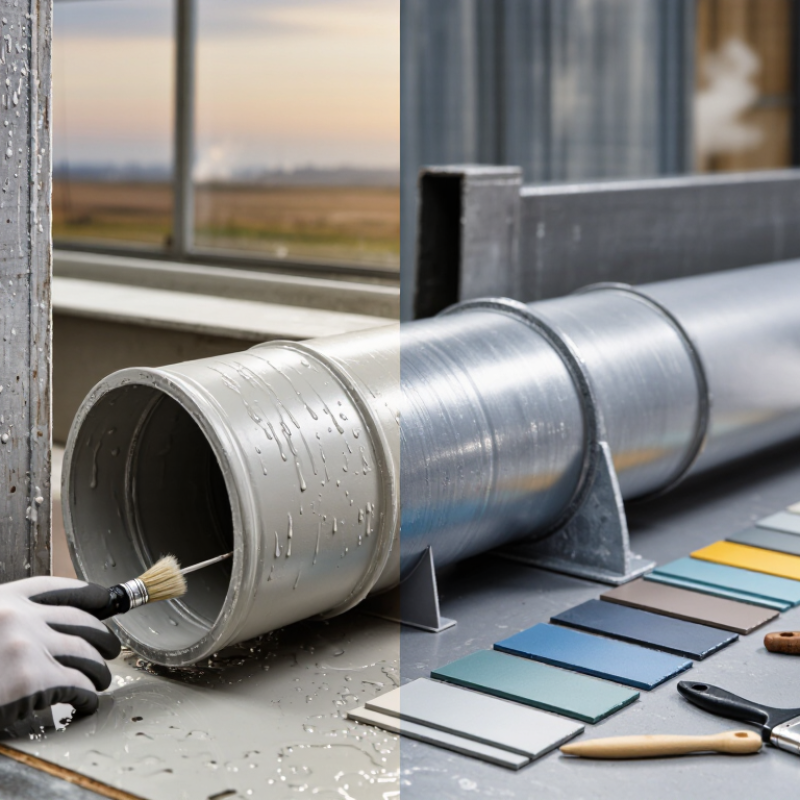
Before choosing a coating, identify the metal substrate precisely. Carbon steel, galvanized steel, aluminum, and stainless steel require different preparation methods. Welds, edges, casting pores, and previous coatings can create weak points. During site inspections, I check surface rust, oil, soluble salts, and the existing surface profile. These details often matter more than the coating name.
Define the durability requirement from the service environment. Consider humidity, salt exposure, immersion, ultraviolet radiation, abrasion, chemicals, and operating temperature. The AMPP IMPACT study estimated that corrosion costs about 3.4% of global gross domestic product, or approximately 2.5 trillion dollars annually. That figure shows why durability planning deserves more than a quick product selection. ISO 12944 describes durability ranges from low to very high, but these periods are estimates, not guarantees. Poor preparation can shorten performance dramatically. I have seen well-specified systems fail early because contaminated steel was painted too quickly.
Tips: Record the metal grade, exposure category, and expected service life before selecting a coating. Measure surface cleanliness and profile after preparation. For coastal structures, test soluble salts rather than relying on visual inspection. Check edges and welds separately. A small defect can become a large corrosion cell. Also, question laboratory results. They may not represent cycles of rain, heat, impact, and maintenance on your actual site.
| Metal Substrate | Typical Durability Risks | Recommended Surface Preparation | Suitable Coating Approach | Typical Dry Film Thickness | Relevant Performance Checks | Selection Priority |
|---|---|---|---|---|---|---|
| Carbon steel |
|
Remove oil, grease, rust, mill scale, and loose coatings. Abrasive blast cleaning is commonly used when a high-performance system is required. | Zinc-rich or zinc-containing primer for added corrosion protection, followed by an epoxy barrier coat and a weather-resistant topcoat where outdoor exposure is expected. | Approximately 100–300 μm for a multi-coat system, depending on exposure and specification. |
|
High corrosion resistance |
| Galvanized steel |
|
Clean without removing the zinc layer. Use mild abrasion or an approved chemical preparation method, then ensure the surface is dry and free from salts. | Use a compatible adhesion-promoting primer or direct-to-galvanized coating, followed by a compatible intermediate or finish coat. | Approximately 60–180 μm, depending on the coating system and service environment. |
|
Adhesion compatibility |
| Aluminum |
|
Degrease thoroughly, remove weak oxide, and use a controlled abrasion or conversion-treatment process that does not excessively damage the substrate. | Apply an aluminum-compatible pretreatment or primer, followed by a suitable barrier and UV-resistant finish. Isolate aluminum from incompatible metals where necessary. | Approximately 50–150 μm for many architectural or general industrial systems. |
|
Adhesion and galvanic control |
| Stainless steel |
|
Remove oil and contaminants, avoid carbon-steel contamination, and create a suitable surface profile using an approved abrasive or chemical preparation method. | Use a primer specifically designed for stainless steel, followed by a chemically resistant topcoat when appearance or chemical exposure is important. | Approximately 50–200 μm, based on the required barrier and chemical resistance. |
|
Surface preparation control |
| Cast iron |
|
Remove grease and embedded contaminants thoroughly. Abrasive cleaning is often needed, followed by dust removal and prompt priming. | Use a penetrating or high-build corrosion-resistant primer with good wetting, followed by an abrasion- and moisture-resistant finish. | Approximately 125–300 μm for industrial exposure, depending on geometry and environment. |
|
Porosity and moisture protection |
| Copper and copper alloys |
|
Remove grease, oxides, and tarnish without leaving residues. Confirm that the surface is dry and free from polishing compounds. | Select a coating with strong adhesion to copper alloys and suitable resistance to oxidation, ultraviolet exposure, or handling wear. | Approximately 25–125 μm for protective or decorative applications. |
|
Appearance and compatibility |
| Metal exposed to marine or coastal conditions |
|
Use a high level of surface cleanliness, remove soluble salts, control surface profile, and apply the primer before flash rust or contamination occurs. | Use a high-build, multi-coat barrier system with strong edge protection and a weather-resistant topcoat. Stripe-coat welds, edges, bolts, and corners where appropriate. | Approximately 200–400 μm for demanding marine or high-corrosivity exposure. |
|
Maximum barrier protection |
| Metal exposed to chemicals or elevated temperature |
|
Remove contaminants thoroughly and verify that the prepared surface, primer, and coating system are compatible with the chemical and temperature conditions. | Choose a chemically resistant or heat-resistant coating system based on the actual chemical concentration, immersion conditions, operating temperature, and thermal cycling. | System-specific; commonly approximately 75–300 μm, with exact thickness determined by the coating specification. |
|
Chemical and thermal resistance |
Final coating selection should be based on the metal substrate, surface condition, service environment, expected maintenance interval, application conditions, and the applicable project or industry specification.
Record temperature, humidity, sunlight, salt exposure, chemicals, and water contact.
Tank rooms may experience condensation, chemical vapors, and frequent washing.
Check service temperature, pressure, immersion time, impact risk, abrasion, and cleaning agents.
It is critical.
Measure steel temperature and compare it with the dew point.
Airless spraying suits large panels when pressure and overlap are controlled.
Thin areas may expose steel too early. Excessive thickness can trap solvents or cause cracking.
Compare expected life with inspections, washing, touch-ups, access equipment, labor, downtime, and waste handling.
Inspect exposed edges about every six months and conduct a detailed annual review.
Choosing the best coating for metal durability begins with understanding the metal substrate, its intended use, and the level of wear, corrosion, or mechanical stress it must withstand. The right solution depends on whether the metal will face moisture, chemicals, salt, temperature changes, abrasion, or outdoor exposure. Asking what coatings improve metal durability helps guide a comparison of options such as protective films, corrosion-resistant layers, and high-performance finishes, each offering different levels of adhesion, flexibility, hardness, and chemical resistance.
Effective protection also depends on proper surface preparation and application. Cleaning, removing rust, profiling the surface, and controlling application conditions can significantly improve coating performance. Before making a final choice, evaluate expected service life, inspection needs, repair requirements, and total cost over time. A coating that costs more initially may provide better long-term value if it reduces maintenance, prevents premature failure, and extends the useful life of the metal structure.

 Ramparts BuildCore