What Is the Best Way to Extend Metal Structure Lifespan?

Time:2026-10-08 Author:Sienna
0%

Metal structures rarely fail without warning. Rust begins at cut edges, welds, bolted joints, and trapped-water pockets. Learning how to extend the lifespan of metal structures therefore requires more than applying a thicker coating. It demands coordinated design, inspection, drainage, surface preparation, and maintenance.

The AMPP IMPACT study estimated that corrosion costs the global economy nearly US$2.5 trillion annually, equal to about 3.4% of global GDP. It also reported that effective corrosion-control practices could reduce these losses by 15% to 35%. The Federal Highway Administration has similarly emphasized structured bridge inspections, because small defects can become expensive repairs when moisture reaches steel repeatedly. ISO 12944 provides practical guidance for protective paint systems, exposure categories, and durability planning. These references offer a useful framework, not a guaranteed lifespan.

Corrosion specialist R. Winston Revie describes corrosion as “the deterioration of a material, usually a metal, which results from a chemical or electrochemical reaction with its environment.” That definition points directly toward prevention. Keep water moving away. Seal crevices carefully. Remove mill scale, salts, and loose rust before coating. Measure coating thickness instead of trusting appearance. Inspect after storms, chemical exposure, and freeze-thaw cycles.

No coating is magic. A well-designed system can still fail through poor preparation or neglected drainage. That uncomfortable detail matters. Long service life comes from repeated, documented decisions: selecting compatible materials, checking vulnerable connections, repairing damage early, and reviewing the structure’s environment as conditions change. This article examines those decisions and explains where common maintenance strategies succeed, fail, or need improvement.
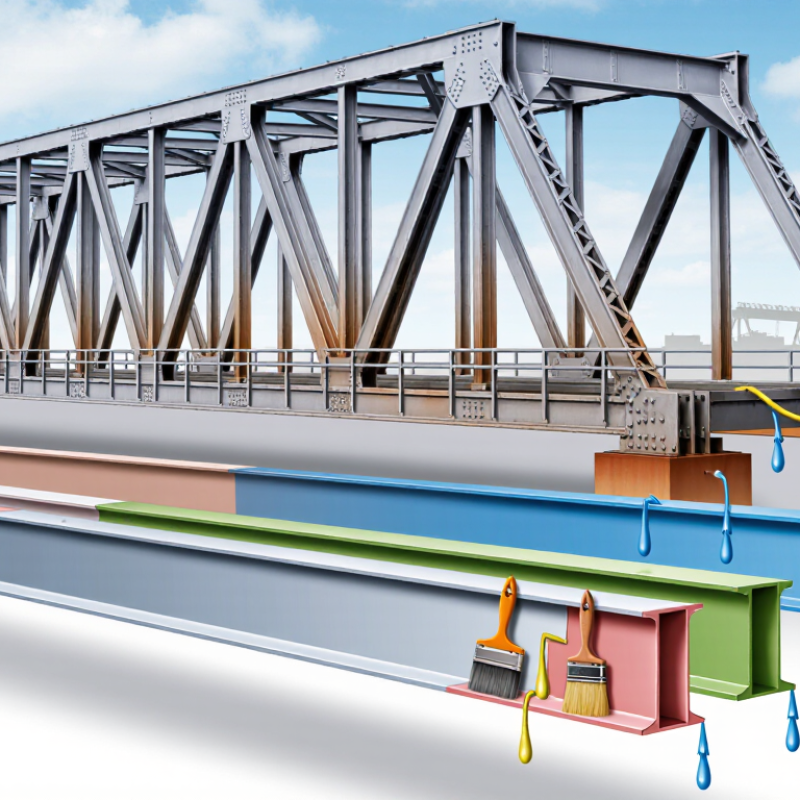
What Is the Best Way to Extend Metal Structure Lifespan?

Understanding the Factors That Shorten Metal Structure Lifespan

What Is the Best Way to Extend Metal Structure Lifespan?

Understanding the Factors That Shorten Metal Structure Lifespan

Metal structures rarely fail without warning. Moisture, salt, chemicals, and trapped dirt slowly attack exposed surfaces. Rust often begins at joints, bolt heads, welds, and damaged coating edges. These small areas deserve close attention.

Poor drainage can keep water against a base plate for weeks. Coastal air creates another problem because salt deposits attract moisture. Indoor structures are not always safer. Condensation may form beneath roofs, inside hollow sections, or around cold pipes. Repeated heating and cooling also cause expansion, vibration, and fatigue. Heavy loads can worsen existing cracks. So can loose connections.

Regular inspections help, but inspection quality matters. Look for blistered paint, reddish streaks, thinning sections, and unusual movement. A simple flashlight and moisture check can reveal hidden trouble. Critical structures may need ultrasonic thickness testing or professional engineering review. Surface cleaning and prompt coating repairs usually cost less than replacing steel members. Good drainage and sealed openings also reduce future exposure.

No inspection catches everything. That is an uncomfortable truth. I have seen clean-looking steel hide corrosion beneath a bracket. Maintenance records can also be incomplete or overly optimistic. For reliable decisions, compare photographs, measurements, and inspection dates. Replace damaged fasteners when necessary, and avoid covering active rust with fresh paint. The strongest protection is consistent attention, not a single repair.

Selecting Suitable Metals, Coatings, and Protective Treatments

What Is the Best Way to Extend Metal Structure Lifespan?

Selecting Suitable Metals, Coatings, and Protective Treatments

A metal structure lasts longer when its material matches the environment. Carbon steel may suit dry indoor spaces, but salt air demands stronger corrosion resistance. Stainless steel performs well near moisture, although its grade must match chloride exposure. Aluminum offers low weight, yet contact with dissimilar metals can create galvanic corrosion. Small details matter.

Surface preparation often determines whether a coating survives. Remove rust, oil, mill scale, and trapped moisture before application. Abrasive blasting can create a suitable profile for primer adhesion. In field inspections, failed coatings frequently show poor edge coverage or hidden surface contamination. The failure may look sudden, but it usually began during preparation.

Protective systems should match the structure’s temperature, movement, and maintenance access. A zinc-rich primer can provide sacrificial protection, while epoxy layers resist moisture and chemicals. A weather-resistant topcoat helps protect against sunlight and rain. Seal welds, joints, and bolt gaps carefully. These areas collect water first. Cathodic protection may help submerged steel, but it requires correct design and regular monitoring.

No treatment remains perfect forever. Even expensive systems need inspection. Check blistering, scratches, rust staining, and coating thickness at planned intervals. Repair small defects before water reaches the metal. One practical mistake is choosing a coating from a product sheet alone. Site conditions, application skill, and future access can change the result. Sometimes, the simplest system is the most reliable.

Designing Structures to Resist Load, Moisture, and Corrosion

A long-lasting metal structure begins with a realistic understanding of load. Engineers should calculate dead loads, wind pressure, vibration, impact, and occasional overloads. Connections deserve equal attention. A strong beam can still fail at a poorly detailed joint. Use suitable safety factors and verify assumptions against local structural codes. Laboratory testing and site measurements can expose weaknesses that drawings miss.

Moisture creates trouble in quiet places. Water collects inside hollow sections, beneath overlapping plates, and around fasteners. Drainage holes, sealed joints, ventilation, and sloped surfaces help prevent trapped water. Avoid details that create narrow crevices. They are difficult to inspect and harder to dry. Small gaps can become serious corrosion cells.

Material selection must match the exposure. Marine air, industrial pollutants, road salt, and temperature changes each demand a different protection strategy. Specify compatible coatings, adequate surface preparation, and the correct dry-film thickness. Inspectors should check scratches, blistering, rust staining, and coating breakdown at regular intervals. A simple moisture reading can reveal hidden risk. No design is maintenance-free. That assumption deserves more criticism. Even well-engineered structures need cleaning, drainage checks, bolt inspections, and timely repairs. In practice, neglected access areas often deteriorate before visible surfaces, so inspection routes should be designed into the structure from the beginning.

Applying Regular Inspection, Cleaning, and Preventive Maintenance

Metal structures rarely fail overnight.

Small issues usually grow unnoticed. A thin rust line beside a weld may signal trapped moisture.

A loose bolt can allow movement, vibration, and faster coating damage.

Regular inspection makes these clues visible before repairs become expensive.

Set an inspection schedule based on exposure, load, age, and local weather.

Coastal structures need closer attention because salt deposits accelerate corrosion. Check welds, joints, fasteners, base plates, drainage paths, and protective coatings.

Look for blistering paint, flaking rust, bent members, and standing water. Record locations with dated photographs.

Measurements matter more than memory. A qualified structural professional should assess cracks, deformation, or suspected metal loss.

Cleaning should remove dust, bird residue, salts, and chemical deposits without damaging the surface.

Use methods suitable for the coating and metal. Rinse thoroughly, then dry hidden edges and seams.

Preventive maintenance may include tightening approved connections, clearing drains, repairing damaged coatings, and sealing water-entry points.

Never cover active corrosion with fresh paint. Proper surface preparation comes first.

I have seen maintenance plans fail because inspections became paperwork. Keep records.

Review findings after storms, impacts, or unusual vibration, and adjust the schedule when necessary. A missed corner can matter.

Repairing Early Damage and Improving Long-Term Structural Performance

What Is the Best Way to Extend Metal Structure Lifespan?

Repairing Early Damage and Improving Long-Term Structural Performance

Metal structures usually fail gradually. A small rust patch near a base plate can become deep section loss after repeated rain and drying. Loose bolts, cracked welds, and distorted connections also deserve prompt attention. Experienced inspectors often begin with a close visual survey, then measure thickness, alignment, and connection movement. Photographs and dated notes make later decisions more reliable.

Early repair should address the cause, not only the visible mark. Remove corrosion, confirm the remaining metal thickness, and replace damaged fasteners under a qualified engineer’s direction. Weld repairs need suitable preparation and inspection. A protective coating may help, but trapped moisture will defeat it. Better drainage sometimes matters more than another paint layer. The practical mistake is treating every defect equally. Some are cosmetic; others reduce load capacity.

Tips: Keep water away from joints and foundations. Clean blocked drains before winter. Check peeling coatings, rusty seams, and unusual vibration during routine visits. Record changes instead of relying on memory. Repair timing can be imperfect, especially when access is limited, but uncertainty should lead to closer monitoring, not guesswork. Non-destructive testing can reveal hidden cracking or thinning when visual evidence seems mild. Review inspection intervals after severe weather, modifications, or unusual loading. A structure that appears stable today may still be losing capacity inside a concealed connection.

FAQS

How can the right metal extend a structure’s service life?

Match the metal to its environment. Carbon steel may suit dry interiors, while stainless steel handles moisture better. Salt air requires stronger corrosion resistance. Aluminum is lightweight, but contact with other metals may cause galvanic corrosion. Small details matter.

Why is surface preparation important before coating metal?

Remove rust, oil, mill scale, and trapped moisture first. Abrasive blasting can improve primer adhesion. Poor edge coverage often causes early coating failure. The damage may look sudden. It usually began during preparation.

Which protective treatments help metal structures resist corrosion?

A zinc-rich primer can provide sacrificial protection. Epoxy layers resist moisture and chemicals. A weather-resistant topcoat helps block sunlight and rain. Seal welds, joints, and bolt gaps carefully. These areas collect water first.

How should a structure manage trapped water?

Add drainage holes, sealed joints, ventilation, and sloped surfaces. Avoid narrow crevices. Water often hides inside hollow sections and beneath overlapping plates. A small gap can become a serious corrosion cell.

What loads should engineers consider during design?

Consider dead loads, wind pressure, vibration, impact, and occasional overloads. Connections need equal attention. A strong beam can still fail at a weak joint. Verify assumptions against applicable structural codes and site measurements.

How often should metal structures be inspected?

Set the schedule according to exposure, load, age, and weather. Coastal structures usually need closer inspection. Check welds, fasteners, base plates, drains, and coatings. Record findings with dated photographs. Memory is not enough.

What warning signs require prompt attention?

Watch for blistering paint, flaking rust, loose bolts, standing water, bent members, and rust lines near welds. Cracks, deformation, or suspected metal loss require professional assessment. A missed corner can matter.

What should cleaning and preventive maintenance include?

Remove dust, salts, bird residue, and chemical deposits without damaging the surface. Rinse thoroughly and dry hidden seams. Clear drains, repair coating damage, and seal water-entry points. Never paint over active corrosion. Proper preparation comes first.

Conclusion

Extending the service life of a metal structure begins with understanding the conditions that cause deterioration, including moisture, corrosion, heavy loads, temperature changes, poor drainage, and inadequate design. The best approach to how to extend the lifespan of metal structures is to select metals suited to the environment and apply appropriate coatings or protective treatments. Structural components should also be designed to distribute loads effectively, limit water accumulation, and reduce areas where corrosion can begin.

Long-term performance depends on consistent care. Regular inspections can identify rust, cracks, coating failure, loose connections, and deformation before they become serious problems. Cleaning surfaces, removing contaminants, maintaining drainage, and renewing protective layers can prevent accelerated damage. When defects are discovered, timely repairs and reinforcement help restore strength and prevent further deterioration. By combining suitable materials, thoughtful design, preventive maintenance, and early corrective action, metal structures can remain safe, reliable, and functional for many years.

Sienna

Sienna

Sienna is a skilled marketing professional with a deep expertise in our company’s core products and services. With a passion for innovation and detail, she plays a pivotal role in crafting insightful blog posts that not only highlight the unique features of our offerings but also provide valuable......