2026 Best Guide on How to Choose Steel Pipe for Construction?

Time:2026-04-07 Author:Liam
0%

Choosing the right steel pipe for construction is crucial for any project’s success. In 2026, the demand for durable and reliable materials is higher than ever. Steel pipes play a key role in countless applications, from plumbing to structural frameworks. Selecting the appropriate pipe can significantly impact cost, performance, and safety.

Understanding how to choose the right steel pipe for construction requires careful consideration. Factors like material type, diameter, and wall thickness are essential. The right choice can enhance durability and efficiency. However, errors in selection can lead to costly repairs or even project failures.

Expert insights suggest evaluating the pipe's specifications and intended use. Different projects may require distinct attributes. Reflecting on past decisions can help in refining choices. The emphasis should always be on reliability and suitability for specific applications.
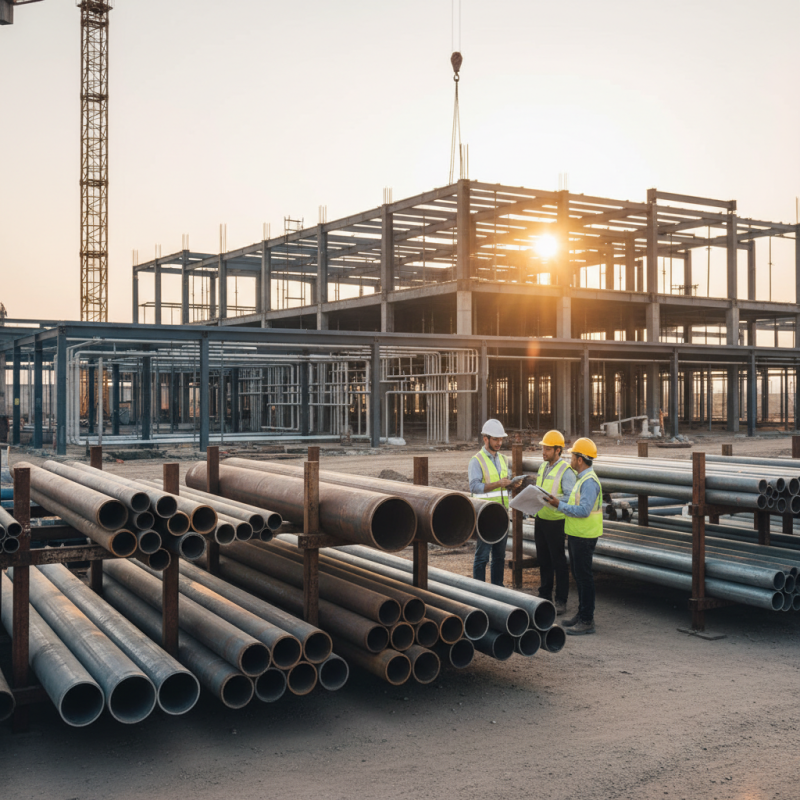
2026 Best Guide on How to Choose Steel Pipe for Construction?

Understanding the Types of Steel Pipes Used in Construction Projects

When selecting steel pipes for construction, understanding the types available is crucial. Different projects demand different specifications. The main types of steel pipes include seamless, welded, and spiral.

Seamless pipes are often preferred for high-pressure applications, offering strength and durability. However, they can be more expensive and harder to find in larger sizes.

Welded pipes, on the other hand, are made by joining metal sheets. They are generally more affordable and easier to manufacture. But this type often has reduced structural integrity compared to seamless options.

Spiral pipes, formed by winding steel strips, provide flexibility in design. They are commonly used in water and sewage projects, but their performance can be inconsistent if not inspected properly.

Choosing the right type requires careful consideration. Think about the project's specific needs. Will high pressure be an issue? Is cost a primary concern? Each pipe type has its advantages and disadvantages. Failures can occur if the wrong type is chosen, leading to costly delays. Reflect on what matters most in your project. Understanding these distinctions will help ensure the right choices are made.

Key Factors to Consider When Choosing Steel Pipes for Your Needs

When selecting steel pipes for construction, several key factors come into play. The material specifications are crucial. According to industry data from the American Society for Testing and Materials (ASTM), the most reliable pipes are made from carbon steel or stainless steel, known for their durability. These pipes often withstand extreme weather and loads.


Another important consideration includes pipe size and thickness. The right dimensions ensure compatibility with existing systems and efficient fluid flow. A report by the American Water Works Association (AWWA) indicates that improper sizing can lead to significant pressure loss and increased energy costs.


Tips: Always verify the pipe's yield strength. This data helps estimate the pressure handling capability. Consider the environment too; corrosion resistance is essential in areas with moisture or chemicals.


Bear in mind that installation practices also affect pipe performance. Inadequate installation may lead to unforeseen failures, increasing overall project costs. Always consult professionals or trusted sources to ensure your choice is optimal.

Evaluating the Quality and Standards of Steel Pipes for Construction

When selecting steel pipes for construction, quality matters immensely. Evaluating the standards involves several key factors. An essential aspect is examining material specifications. Strong steel pipes should meet or exceed industry standards. Look for pipes with appropriate certifications, indicating their reliability and durability.

Visual inspection can reveal a lot. Look for any visible defects like rust or deformation. Surface imperfections can affect not just aesthetics but also performance. Thickness is another consideration. Proper thickness enhances strength and longevity. A pipe that is too thin may fail under pressure.

Consider the intended use of the pipes. Different applications may require specific grades of steel. The environment, such as exposure to moisture or chemical elements, also impacts durability. Always consult with professionals who understand the complexities involved. Their experience can guide you toward better choices. Choosing the right steel pipe can feel overwhelming. It’s important to question every option. Reflection on these choices is crucial for long-term success.

Cost Analysis: Budgeting for Steel Pipe Selection in Construction

When selecting steel pipes for construction, budgeting plays a crucial role. Various factors determine cost, including size, grade, and type of steel. Understanding these elements can prevent overspending while ensuring quality.

One tip is to compare local prices. Different suppliers may offer varying rates for the same products. Requesting multiple quotes can provide insight into the market. Negotiate with suppliers to establish a fair price. Small differences can amount to significant savings.

Consider the long-term implications of your choice. Cheaper pipes may not always be the best value. Increased maintenance costs can arise from inferior quality. Ensure that the selected pipes meet project specifications, which may initially seem pricy but ultimately save money. Always account for future repairs when budgeting.

Lastly, unexpected expenses can arise. Always add a buffer to the initial budget. This strategy helps adapt to price fluctuations or unforeseen project changes. A thoughtful approach can turn budgeting into a strategic advantage in your construction project.

Sustainability and Environmental Impact of Steel Pipe Choices

Choosing the right steel pipe for construction involves considering its sustainability and environmental impact. Steel pipes can be highly recyclable, with up to 90% of the material recovered at the end of their life cycle. A study from the World Steel Association notes that producing recycled steel saves about 75% of the energy required to make new steel. This offers significant environmental benefits, reducing greenhouse gas emissions considerably.

However, sourcing virgin steel materials poses challenges. The extraction and processing of iron ore can lead to habitat destruction and pollution. According to the U.S. Environmental Protection Agency, mining contributes to about 50% of soil erosion in some areas. This inconsistency raises questions about long-term sustainability. It's crucial to balance immediate infrastructure needs with the environmental costs associated with raw material procurement.

Another element is the temperature in which steel pipes are produced. Manufacturing steel at high temperatures emits carbon dioxide. Reports show that the global steel industry was responsible for approximately 7% of total greenhouse gas emissions in 2019. Therefore, selecting pipes from manufacturers using innovative, eco-friendly production methods can reduce overall environmental impact. Awareness of these factors can guide more responsible decisions in construction projects.

FAQS

: What should I examine when choosing steel pipes?

: Inspect material specifications. Ensure they meet or exceed industry standards for reliability.

How important is visual inspection?

It's very important. Look for defects like rust or deformation that affect performance.

Why is pipe thickness important?

Thickness enhances strength. Pipes that are too thin may fail under pressure.

How does the intended use affect pipe selection?

Different applications may require specific grades of steel based on environmental factors.

How can I maximize my budget when selecting pipes?

Compare local prices and request multiple quotes. Negotiate for a fair price to save money.

Are cheaper pipes always a better deal?

No, cheaper pipes can lead to higher maintenance costs and may not deliver long-term value.

Should I prepare for unexpected costs?

Yes, always add a buffer to your budget for price fluctuations or unforeseen project changes.

How can professionals help in pipe selection?

Their experience can guide you in making better choices based on the project's complexities.

What role does durability play in steel pipe selection?

Durability impacts the pipe's longevity, especially in environments with moisture or chemicals.

Why is reflecting on choices crucial in this process?

Reflection helps ensure that you make informed decisions that lead to long-term success.

Conclusion

Choosing the right steel pipe for construction is a critical decision that can significantly impact the success of a project. Understanding the various types of steel pipes available is the first step, as they differ in material properties and applications. Key factors to consider include the intended use, load requirements, and environmental conditions. Evaluating the quality and standards of steel pipes ensures that they meet industry specifications and safety regulations.

Additionally, a comprehensive cost analysis should be conducted to stay within budget while selecting durable and efficient materials. Sustainability and environmental impact are also crucial, as choosing eco-friendly options can contribute to the overall green credentials of a construction project. By considering these aspects, builders can effectively determine how to choose the right steel pipe for construction that meets both functional and environmental needs.

Liam

Liam

Liam is a dedicated marketing professional with a profound expertise in the industry, where he excels at highlighting the unique advantages of our core products. With a keen understanding of market trends and consumer needs, Liam frequently updates our company’s professional blog, providing......